31 / Woodworking & furniture
Shop machinery sized to your board volume and your floor
Panel saws, edge banders, routers, moulders, sanders and extraction sourced direct. The two things that catch furniture shops are extraction — which is a legal and a fire question, not an optional extra — and the space a panel saw actually needs once you allow for the board.
Machines we are currently placing
Every price below is landed, cleared and delivered. Ask about anything not listed — most of this class is available to order.
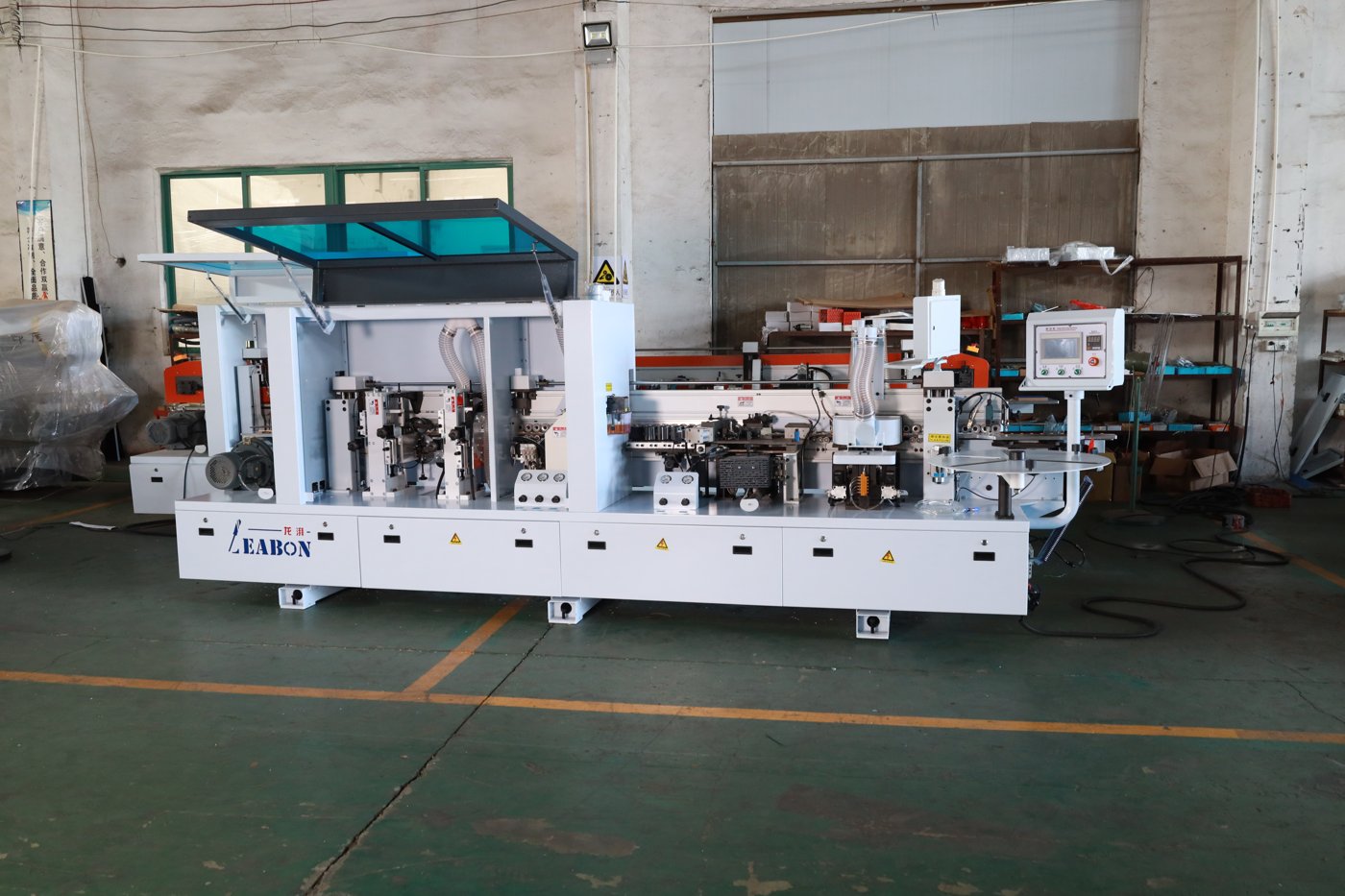
Automatic edge banding machine with pre-milling

Industrial dust collector, 7.5 kW
Sliding table panel saw, 3 200 mm
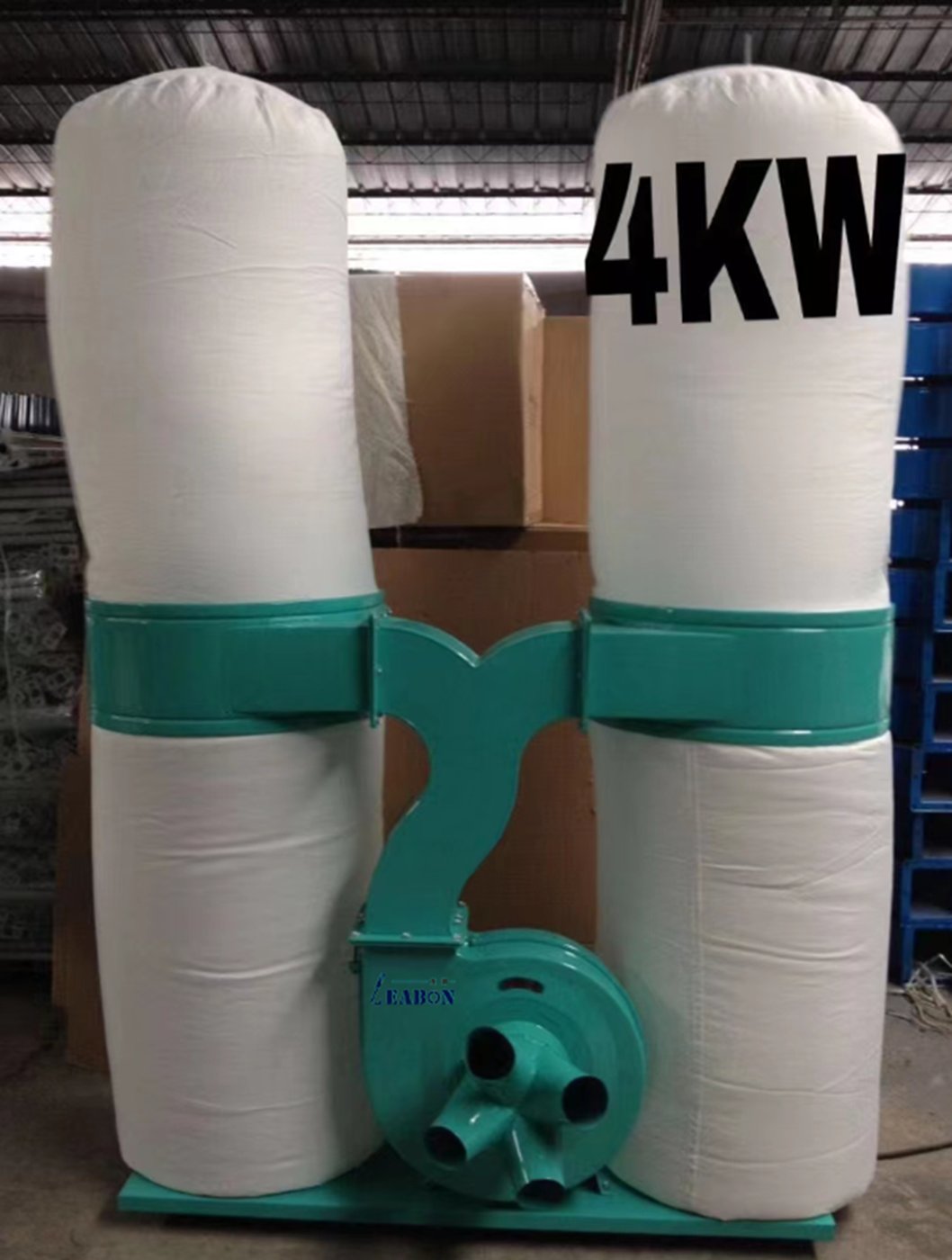
Industrial dust collector, 4 kW
Surface planer, 630 mm (flat cutter)
Thicknesser, 640 mm
Vertical spindle moulder
Automatic edge bander with corner rounding (HK568)
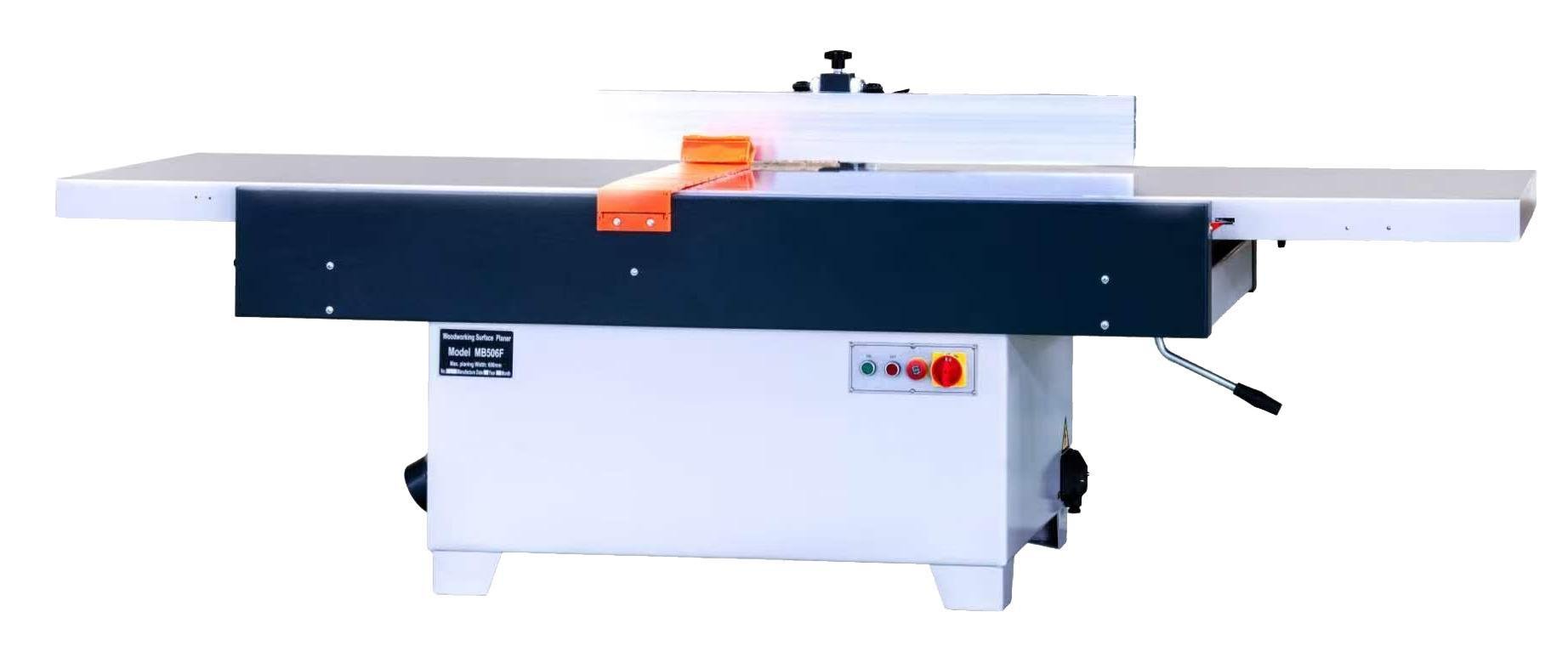
Surface planer, 630 mm (MB506F)
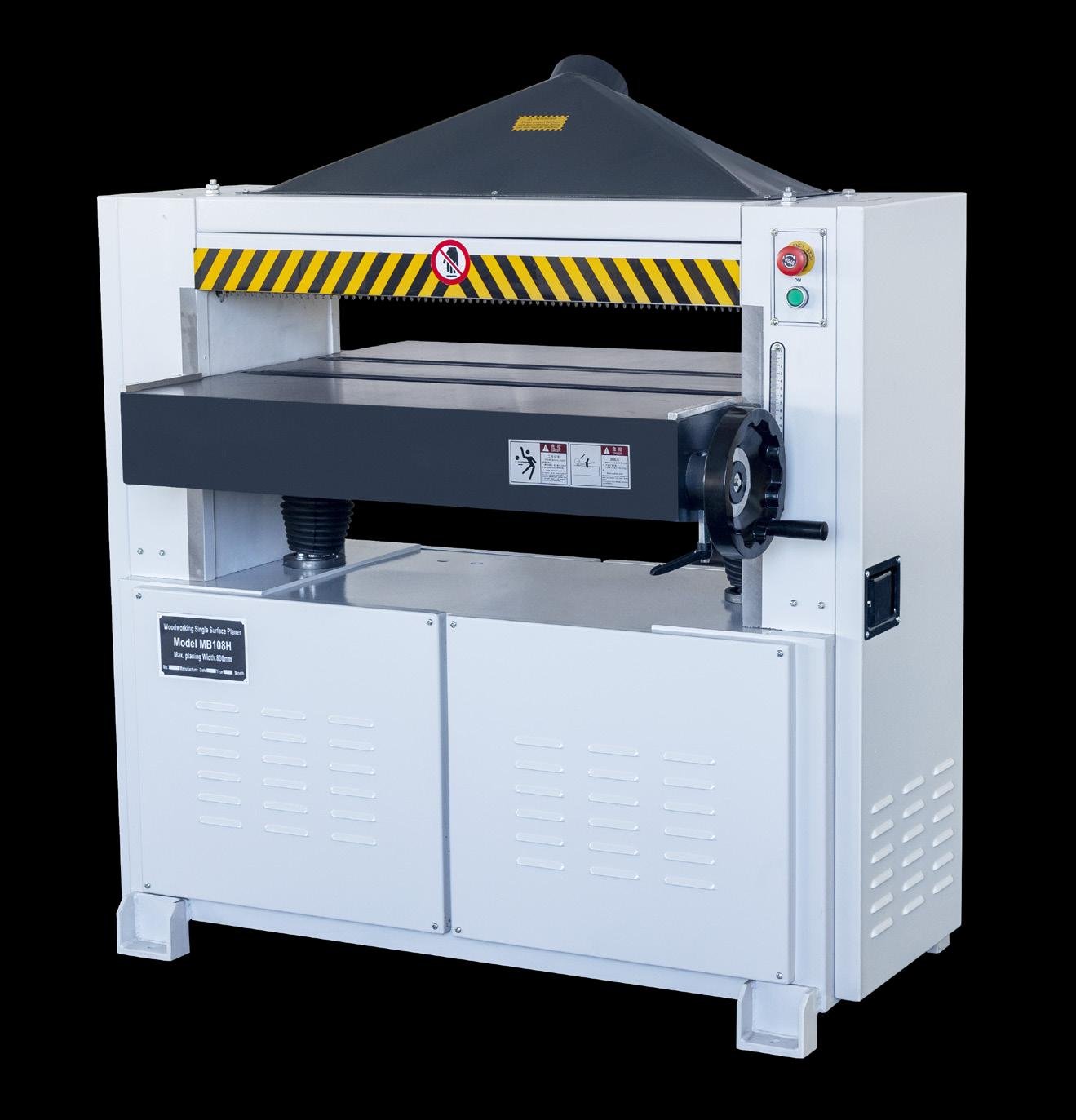
Thicknesser, 640 mm (MB106H)
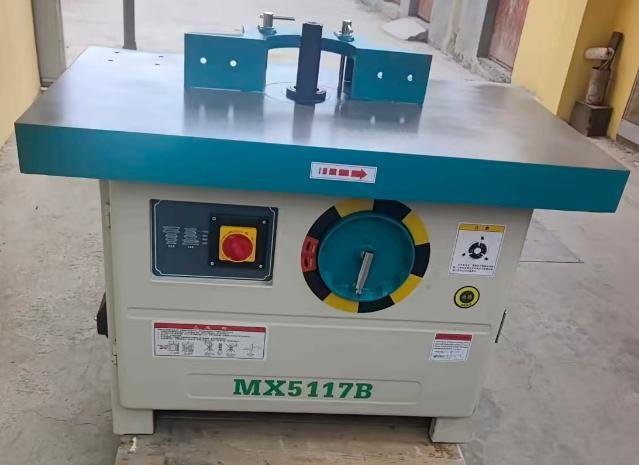
Vertical spindle moulder (MX5117B)
Bandsaws (400 – 800 mm wheel)
Sliding panel saws (2.6 – 3.8 m carriage)
Table & rip saws (Cast iron & fabricated)
Edge banders (Manual to fully automatic)
CNC routers & nesting (1300 × 2500 mm and up)
Spindle moulders (Fixed & tilting)
Thicknessers & planers (300 – 630 mm)
Wide belt & drum sanders (600 – 1300 mm)
Mortisers & tenoners (Chain & chisel)
Boring machines (Line & multi-head)
Presses (Cold, hot & membrane)
Dust extraction (Single bag to central)
Compressors & air (Belt drive)
Clamping & assembly (Frame & case clamps)
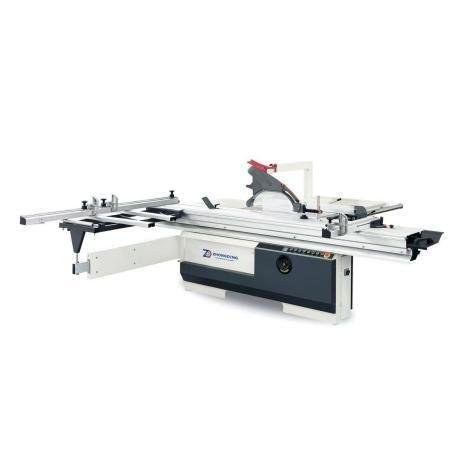
Sliding table saw, 400 mm blade (ZD400T)
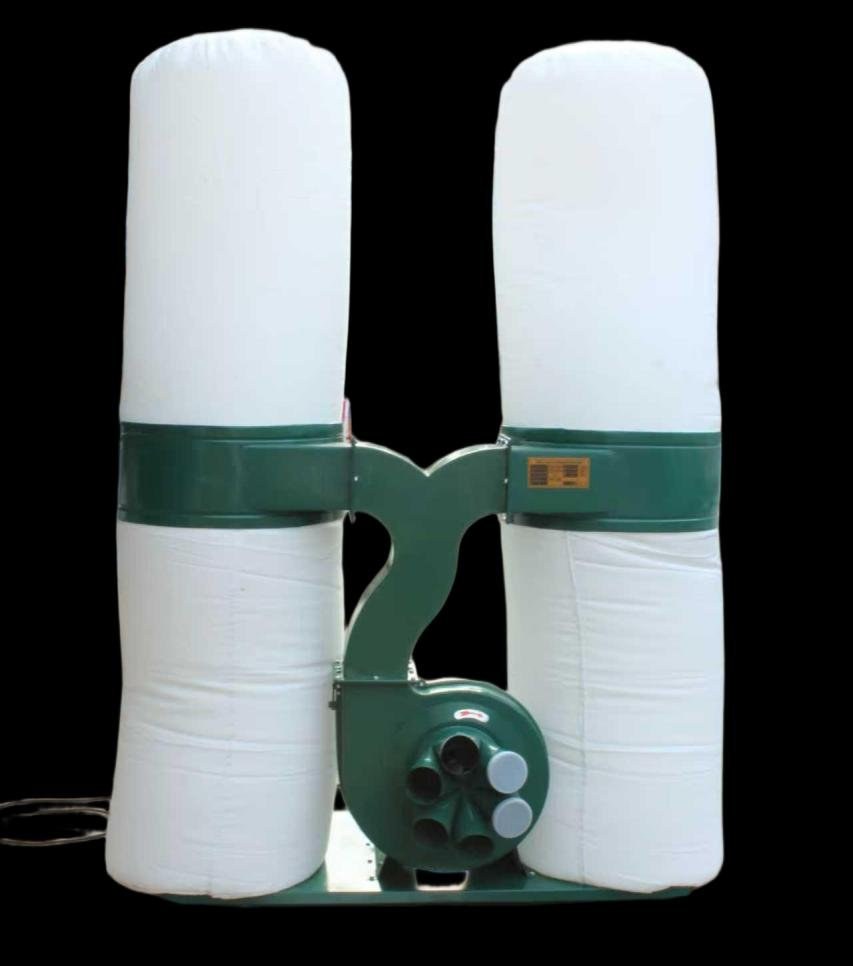
Industrial double-bag dust collector, 7.5 kW (MF9075-2)
What we source in this line
Capacities below are the common bands. Tell us the board sizes you cut and what you make and we'll size the shop to it.
| Equipment | Typical range | Worth specifying |
|---|---|---|
| Sliding panel saws | 2.6 – 3.8 m carriage | Carriage length, scoring blade, digital fence |
| Table & rip saws | Cast iron & fabricated | Table size, rise and fall, riving knife |
| Edge banders | Manual to fully automatic | Tape thickness range, pre-milling, corner rounding |
| CNC routers & nesting | 1300 × 2500 mm and up | Spindle kW, tool changer, vacuum table zones |
| Spindle moulders | Fixed & tilting | Spindle diameter, speeds, power feed unit |
| Thicknessers & planers | 300 – 630 mm | Cutter block type, feed speed, table length |
| Bandsaws | 400 – 800 mm wheel | Throat depth, blade width range, guides |
| Wide belt & drum sanders | 600 – 1300 mm | Belt grits, feed speed, extraction requirement |
| Mortisers & tenoners | Chain & chisel | Stock capacity, tooling included |
| Boring machines | Line & multi-head | Spindle count and spacing, drilling depth |
| Presses | Cold, hot & membrane | Platen size, pressure, heating type |
| Dust extraction | Single bag to central | Airflow m³/h, filter class, ducting design |
| Compressors & air | Belt drive | Free air delivery, tank size, duty rating |
| Clamping & assembly | Frame & case clamps | Working size range, pneumatic or manual |
Not on the list? Send a photo or a model number — most woodworking kit in this class is available.
What actually decides whether it works
Price is the easy part. These are the points that decide whether the shop works or becomes a fire and dust problem.
Extraction is not an accessory, it is the shop
Wood dust is a fire risk and a health risk, and a machine running without adequate extraction ruins its own finish quality. Size the extraction to the total airflow of everything that can run at once, not to one machine, and budget for the ducting — it usually costs more than people expect.
A panel saw needs the board, not just the machine
A 3.2 m sliding saw needs roughly three metres of clear travel each side of the blade, plus room to handle a full sheet. Measure the working envelope, not the footprint on the drawing. This is the single most common mistake in a first shop layout.
Check your phase and your capacity first
South Africa runs 230 V single phase and 400 V three phase at 50 Hz, and so does most equipment built for 50 Hz markets — the frequency matches. Most serious woodworking machinery is three phase, and a CNC router plus extraction plus a compressor together will find the limit of a small supply. Confirm the amps before you order.
Blades and cutters are half the result
A good machine with poor tooling produces poor work. Ask what is included, what the spindle and bore sizes are, and whether tooling is a standard size you can get sharpened locally. Non-standard bores are a slow, expensive problem.
A router is a software commitment too
The machine is the easy half. Ask which post-processor and control it uses, whether it will read the CAD files you already work in, and what training is offered. A router nobody in the shop can programme is an expensive table.
You're trading the dealer network for the price
That's the honest trade. There is no branded technician on standby. Budget for a relationship with a good local electrician and machine fitter, and buy with that in mind — which is an argument for standard inverters and contactors over proprietary boards.
Furniture makers ask these
Will it run on South African power?
Yes, if it is specified correctly — we specify 50 Hz equipment for a 50 Hz country, so motors and inverters run at the right speed. Most of this equipment is three phase, and we confirm voltage and phase against your actual supply before ordering rather than after delivery.
How much extraction do I actually need?
More than most people budget for. It depends on how many machines can run at once and the duct runs in your building, so we work it out from your layout rather than quoting a number off a brochure. Getting it wrong shows up as poor finish quality long before it shows up as a compliance problem.
Can you supply the tooling with the machine?
Yes, and it is usually worth it. Blades, cutter blocks and edge banding tape shipped with the original order cost far less than sourcing them urgently later. We confirm the bore and spindle sizes are standard here so you can get them sharpened locally.
Is a CNC router worth it for a small shop?
Sometimes, and sometimes a good panel saw and edge bander earn more. It depends on whether your work is repetitive enough to justify the programming time. We will tell you honestly when we think a router is the wrong first machine for what you make.
Tell us what you make, not the model number
The board sizes you cut, what you produce, your floor space and your power — that's enough for us to come back with options, a landed price in Rand and a realistic delivery date.
- No obligation and no cost to quote
- Options at more than one build quality
- Landed price — duty, VAT and delivery included
- We reply within one working day