01 / Solar & energy storage
Solar and storage sized to your load, not to your roof area
Panels, hybrid inverters, lithium batteries, mounting and switchgear sourced direct. This is the most regulated line we handle and the most crowded. Read the approvals note below before you commit to anything — on solar, the paperwork decides as much as the price does.
Machines we are currently placing
Every price below is landed, cleared and delivered. Ask about anything not listed — most of this class is available to order.

Off-grid solar inverter, 1.3 – 3.3 kW (HFP series)
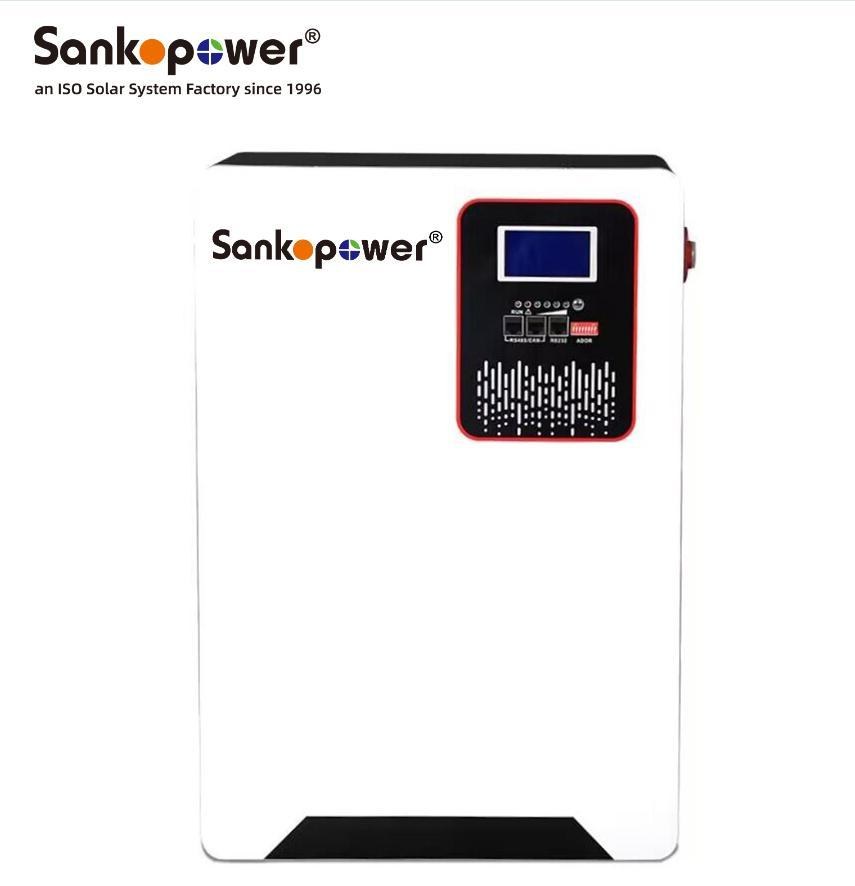
LiFePO4 battery, 5 kWh (51.2 V, wall)
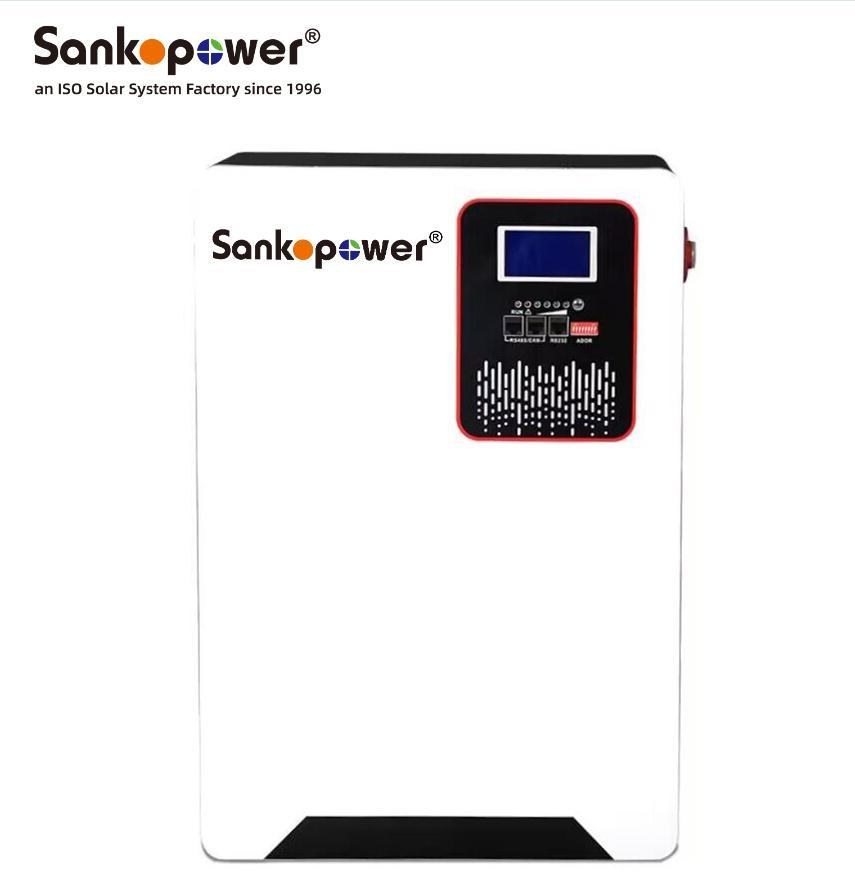
LiFePO4 battery, 10 kWh (51.2 V, wall)
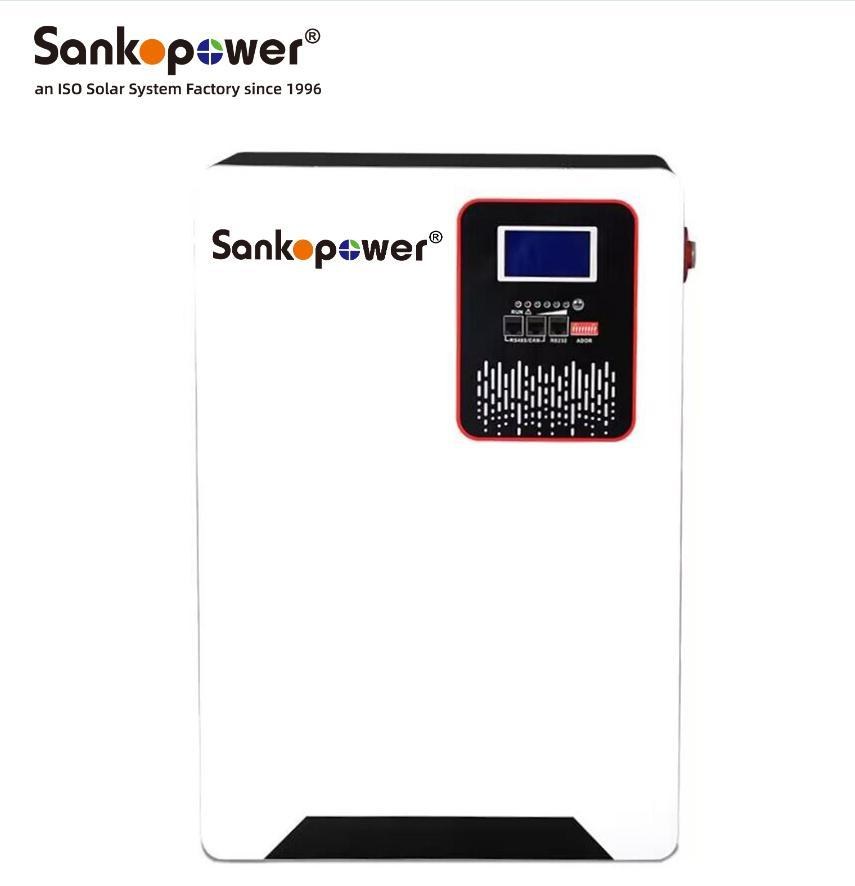
LiFePO4 battery, 16 kWh (51.2 V, floor)
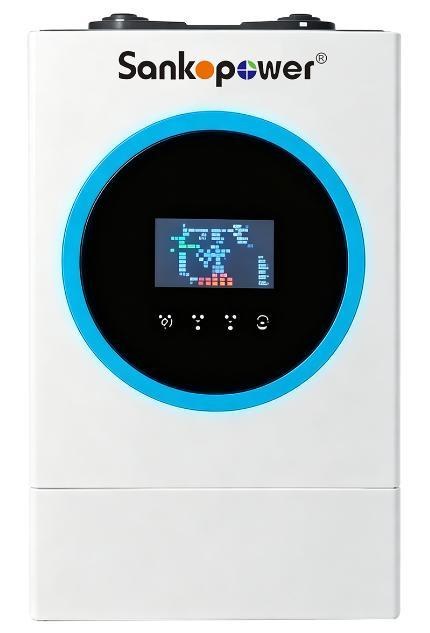
Off-grid solar inverter, 4.5 kVA (4.2 kW, 24 V)
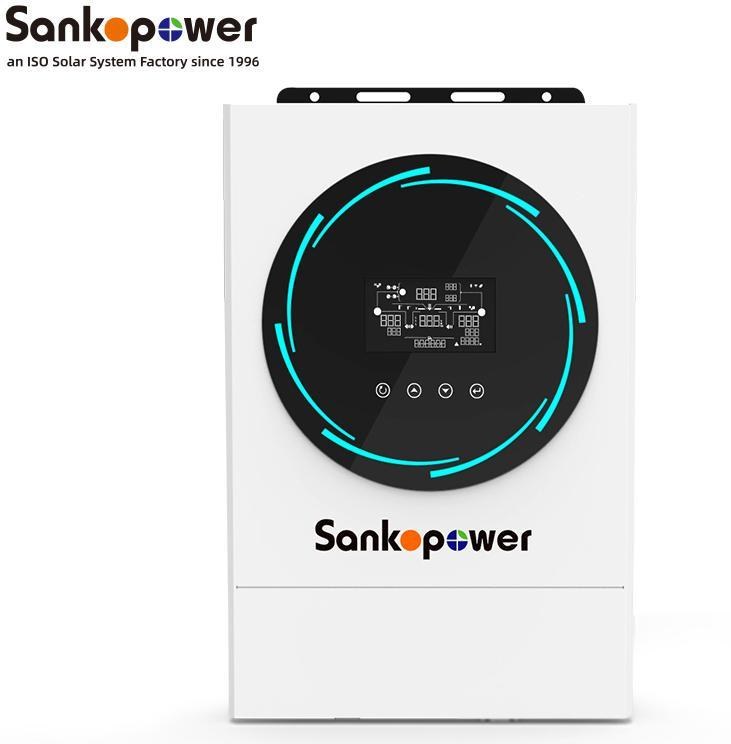
Off-grid solar inverter, 6.5 kVA (6.2 kW, 48 V)
Monocrystalline panels (400 – 700 W)
Hybrid inverters (3 – 12 kW single phase)
Three phase inverters (5 – 50 kW)
Grid-tie inverters (3 – 100 kW)
Off-grid inverters (1 – 8 kW)
Lithium batteries (5 – 20 kWh modules)
Battery racks & enclosures (Wall & floor mount)
Charge controllers (MPPT & PWM)
Mounting systems (Tile, sheet & ground)
Changeover & DB panels (Manual & automatic)
DC cabling & protection (Cable, fuses, isolators)
Monitoring & metering (Wi-Fi & ethernet)
Solar water heating (Flat plate & evacuated tube)
Solar pumping (Borehole & surface)
What we source in this line
Capacities below are the common bands. Tell us your consumption, what you need to keep running and for how long, and we'll size the system to it.
| Equipment | Typical range | Worth specifying |
|---|---|---|
| Monocrystalline panels | 400 – 700 W | Cell technology, degradation rate, warranty terms |
| Hybrid inverters | 3 – 12 kW single phase | Surge rating, battery compatibility, MPPT count |
| Three phase inverters | 5 – 50 kW | Phase balancing, grid code compliance |
| Grid-tie inverters | 3 – 100 kW | Approval for local grid connection, export limiting |
| Off-grid inverters | 1 – 8 kW | Continuous vs peak output, transfer time |
| Lithium batteries | 5 – 20 kWh modules | Cell chemistry and grade, BMS, communication protocol |
| Battery racks & enclosures | Wall & floor mount | Ventilation, IP rating, cable entry |
| Charge controllers | MPPT & PWM | Voltage window, current rating, monitoring |
| Mounting systems | Tile, sheet & ground | Material, wind loading, roof compatibility |
| Changeover & DB panels | Manual & automatic | Rating, surge protection, isolation |
| DC cabling & protection | Cable, fuses, isolators | Cable rating, connector type, UV rating |
| Monitoring & metering | Wi-Fi & ethernet | Local vs cloud, data retention, app |
| Solar water heating | Flat plate & evacuated tube | Frost protection, tank material |
| Solar pumping | Borehole & surface | Head and flow, controller, pump material |
Not on the list? Send a photo or a model number — most solar and storage kit in this class is available.
What actually decides whether it works
Price is the easy part. On solar the approvals and the battery chemistry decide whether the system is legal, safe and still working in five years.
The paperwork is the hard part on this line
Solar equipment sold in South Africa is regulated, and grid-connected systems have their own connection requirements set by your municipality or Eskom. What is required, and for which equipment, changes. We confirm the position for the specific product with our clearing agent before quoting, because equipment that cannot be approved cannot be installed.
Cell grade is invisible and it is the whole product
Two batteries with identical labels can use very different cells — A-grade, B-grade or reclaimed. The difference shows up as capacity loss in year two, not on the datasheet. Ask the cell manufacturer and grade, the cycle rating at a stated depth of discharge, and what the BMS actually protects against.
Size on your load profile, not on your roof
Panels are the cheap part. What determines whether the system works is how much you use, when you use it, and what you need to ride through an outage. A system sized off roof area produces power at midday and leaves you dark at seven in the evening. Send us a bill and we work from consumption.
Inverter and battery must actually talk to each other
A lithium battery and a hybrid inverter need a communication protocol in common, or the battery runs blind and the warranty is void. Not every combination is supported, whatever a supplier says. We confirm the specific pairing rather than assuming.
Installation and sign-off are local and regulated
The equipment ships; the installation is done here by a qualified electrician and, for grid-connected work, must be certified. Budget for it as part of the project. We quote equipment landed and say plainly that installation is separate rather than implying a turnkey price.
You're trading the dealer network for the price
That's the honest trade. There is no branded technician on standby and no local warranty desk. Budget for a relationship with a good installer, and buy with that in mind — which is an argument for common inverter platforms with widely available firmware over obscure ones.
Installers ask these
Can you actually import solar equipment?
Usually, but this is the line where we are most careful. Solar equipment is regulated and grid-connected systems carry connection requirements on top of that. We confirm the position for the specific product with our clearing agent before quoting, so you are not left holding equipment that cannot be approved or installed.
Will the battery work with my inverter?
Only if they share a communication protocol, and not every combination does. This is the most common expensive mistake on a solar project. Tell us the inverter you are using or plan to use and we confirm the pairing with the supplier before quoting rather than after delivery.
How do I know the battery cells are any good?
You ask, in writing, and you treat a vague answer as an answer. We ask the cell manufacturer, the grade and the cycle rating at a stated depth of discharge, and we put those on the quote. A battery that will not name its cells is telling you something.
Do you install it?
No. Delivery is in the landed price; installation is done here by a qualified electrician and grid-connected work must be certified locally. We would rather say that plainly than quote a turnkey price we cannot stand behind.
Tell us the load, not the model number
Your monthly consumption, what you need to keep running during an outage and for how long, and your roof or ground space — that's enough for us to come back with options, a landed price in Rand and a realistic delivery date.
- No obligation and no cost to quote
- Options at more than one build quality
- Landed price — duty, VAT and delivery included
- We reply within one working day